THE CONVERSATIONS WE DIDN'T HAVE IN TRAINING
Clinical mentorship for BC therapists who work with kids, youth and families
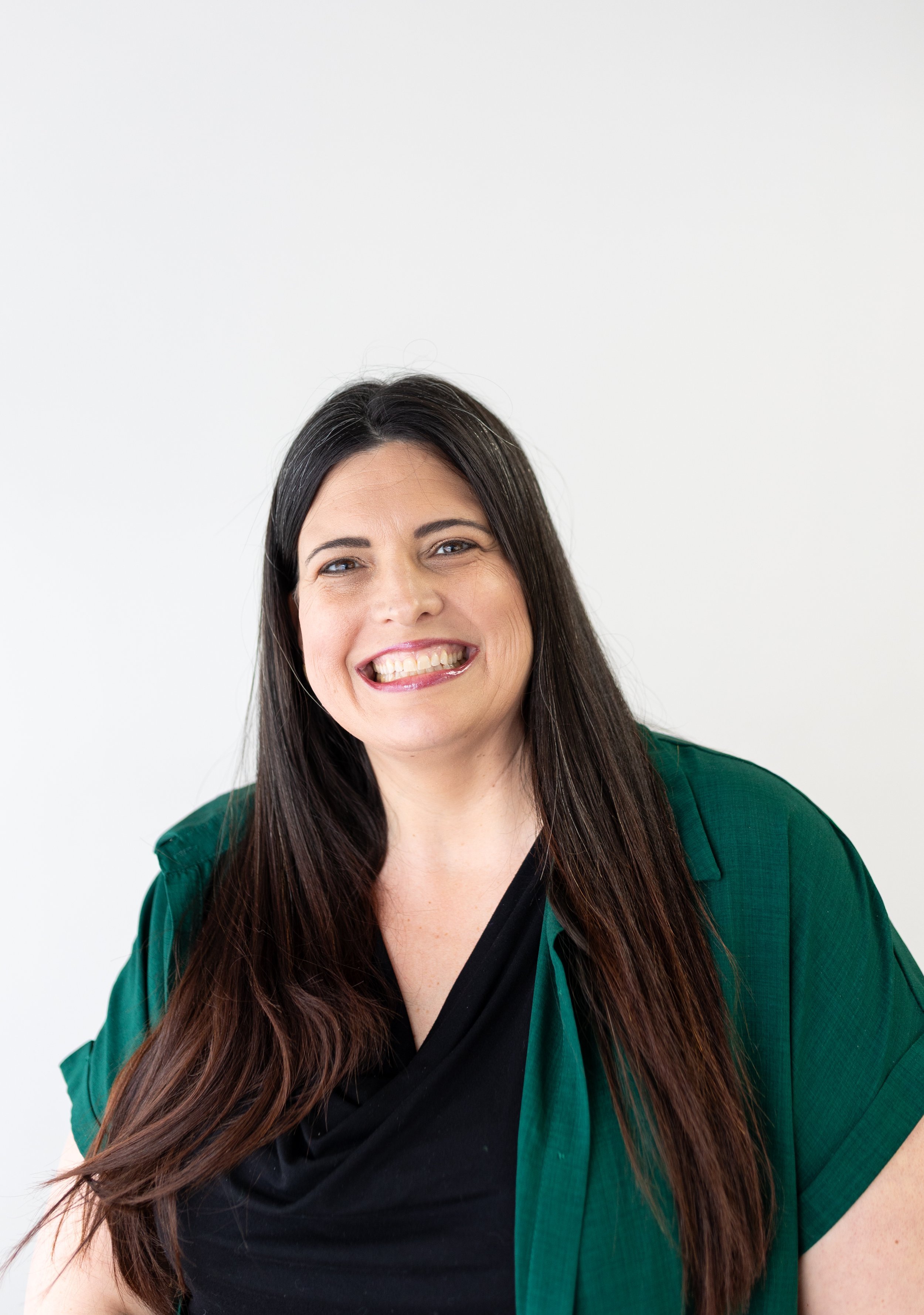
Twelve months with Elizabeth Nardella, RSW, RCC, built around the conversations grad school skipped.

Let's be honest.
Grad school gave you theory. Then a parent caught you in the hallway asking what their kid said. Two households emailed you two very different versions of reality. A teen dropped a disclosure five minutes before the end. And that progress note? Still open in another tab.
Nobody walked you through this stuff. So we're going to.
8 a.m. Coffee in hand. Then a knock at the door.
You've been served. A subpoena, with your name on it. And your brain goes straight to:
Is this a court order, or an invitation? Do I actually have to go?
What happens to my notes? Do I hand over everything?
Who do I call first: the family, my college, a lawyer?
How do I show up? Where do I sit? What do I call the judge?
And how do I stay calm while a lawyer picks apart my work, with both parents in the room?
Grad school didn't cover this. You're not supposed to know it yet. But one day, you'll need to.
I've got you. I've been there.
In almost 15 years of working with kids, youth and families, I've been to court more than once, and I've worked with just about every flavour of high-conflict family you can imagine. Not every scenario. But plenty. And I learned most of it the hard way, on my own, hoping I wasn't getting it wrong.
So why this program? Why me?
Because early in my career, I didn't always feel safe enough to tell someone when I didn't know what to do, or when I'd messed up. You will. This is a small, confidential space where you can bring the subpoena, the custody order and the "I think I got this wrong" note, and get a straight answer, without the shame.
Month 9 is all about court. But you won't have to wait until Month 9 to ask. I'll tell you what I'd do, what I've seen go sideways, and how to walk into that courtroom with your notes in order and your nervous system on your side. I've got your back.
This is education, not legal advice. When it's time for a lawyer, I'll tell you.
Who it's for
BC therapists with a BSW, MSW or master's-level counselling degree who work with children, youth and families — or want to. Master's students in social work or counselling, too. You don't need to be a child therapist already.
Twelve months. One topic a month. Here's the ride.
Month 1 — Who consents? Intake + capacity. Who actually gets to consent, capacity, and the paperwork that goes with it.
Month 2 — Confidentiality, before you need it. Explaining the limits plainly, what caregivers will hear, and online sessions with kids.
Month 3 — Notes. What belongs in the record, and what to do when a parent asks to read it.
Month 4 — When a child tells you: disclosures. Responding without leading questions, reporting, and sexual consent as a reporting question.
Month 5 — Suicide, self-harm + other safety risks. Asking directly, without flinching, and safety planning.
Month 6 — The parent session + meeting the child. Meeting the kid beyond "the problem."
Halfway — My Oops. My real mistakes and what they taught me. Not a highlight reel.
Month 7 — Keeping trust when adults want info. When the parents (or the school) want all the details.
Month 8 — Two households. Who holds decision-making, parenting agreements, and the pull to take sides.
Month 9 — Court. Orders, that request for a court letter, records and subpoenas.
Month 10 — Cancellations, pauses + endings. The families who ghost, and ending well anyway.
Month 11 — Carrying it home, and putting it down. Leaving it at work, and knowing when a ritual isn't enough.
Month 12 — What you're taking forward + ethics. An honest conversation about ethics, and a look back at your year.
Bonus — A guest expert. Someone who goes deeper on one part of this work. Details to come.
What you get
24 live 60-minute Zoom classes, 7–8 p.m. Pacific: a teaching class and a Q&A class every month. The Q&A hour is all yours. Plus 2 bonus classes.
6 private 60-minute calls with me, whenever you need them during the year. Bring the question you didn't want to ask in front of the group.
Recordings, slides + monthly PDFs on a private login page, during the program and for 6 months after.
Checklists + reflective journalling to help it actually stick.
A Telegram group for chat and resources (not crises, not case consults).
A certificate with your dates and hours, to count toward continuing education.
The fine print (keeping it real)
I am Not a lawyer. The legal and consent material is built on BC law websites; this is not legal advice. Please consult legal advice for your own province or state.
Consultation, not supervision. And not counselling, either.
Cameras on. Zero role-plays. You're welcome.
Everything stays de-identified. No client names, no screenshots.
Small class size. Waitlist members hear first and get exclusive founding pricing.
Missed a class? It's recorded, and watching counts.
Join the waitlist
The founding cohort starts in early 2027, and it's a small class. Waitlist members hear first: dates, details and when registration opens, before anyone else.
No risk. No obligation. Just first dibs when it's time, plus exclusive founding pricing that's only offered to waitlist members.
Still have questions? Good.
Start with a free 20-minute intake call. We'll talk about your practice, what you're hoping to learn, and whether this is actually the right fit. No pressure, and no pretending it's for everyone.
Want every last detail, from the curriculum to the full FAQ? Read the full program details →
Who's behind this? Meet Elizabeth →
Elizabeth Nardella, RSW, RCC · Elizabeth Nardella Counselling